




Calendar
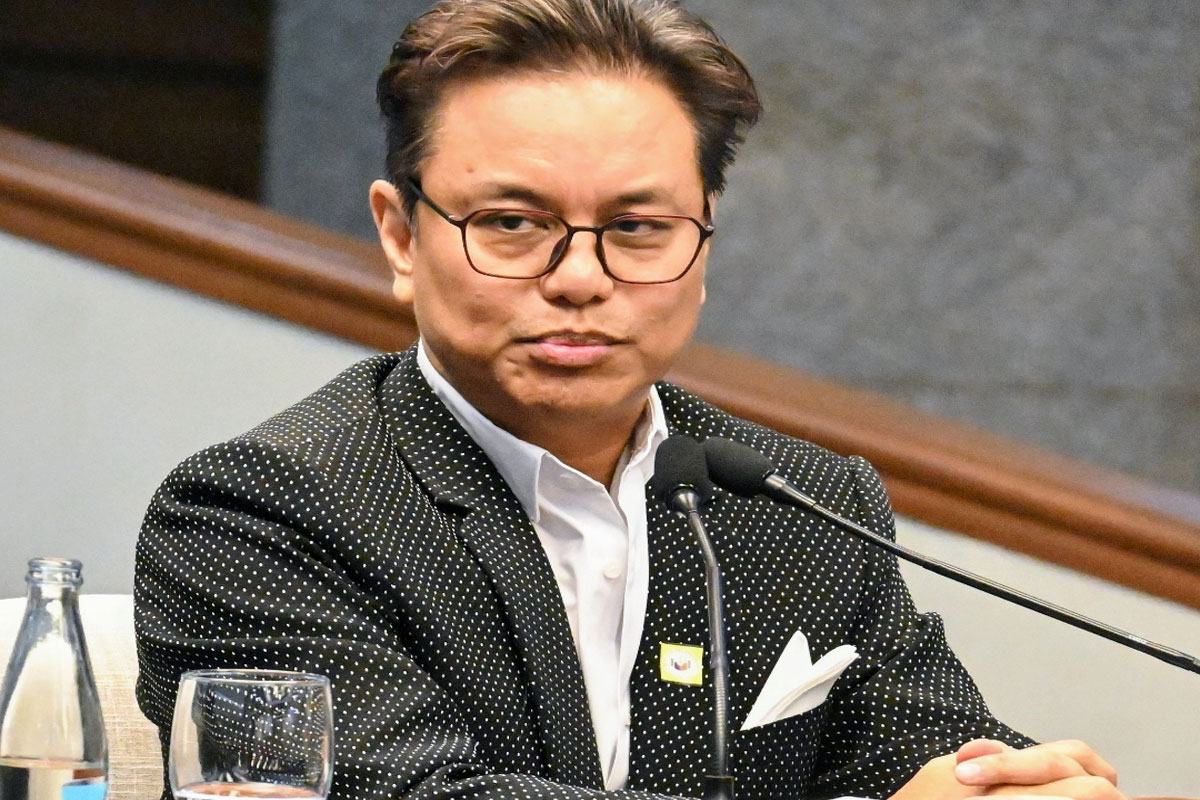
 Bicol Saro Party-list Rep. Terry L. Ridon
Ridon: Pag-impound ng LTO ng e-trikes, e-bikes walang legal na basehan
IGINIIT ni House committee on public accounts chairperson at Bicol Saro Party-list Rep. Terry L. Ridon nitong Biyernes na walang anumang legal na batayan ang Land Transportation Office (LTO) para kumpiskahin ang mga light electric vehicles (LEVs) gaya ng e-bikes at e-trikes na ginagamit lamang para sa pribadong layunin.
Kanyang binigyang-diin na hindi maaaring balewalain ng ahensiya ang malinaw na probisyon ng Electric Vehicle Industry Development Act (EVIDA).
Si Ridon, isang abogado mula sa University of the Philippines (UP) at miyembro ng House committee on transportation, ay nanawagan din ng imbestigasyon ng Kongreso bilang gabay sa paggawa ng batas hinggil sa usapin.
Ayon kay Ridon, maaaring igiit ng LTO ang Section 73 ng DOTC–LTO Memorandum Circular 89-105 na nag-uutos ng pagkumpiska ng mga hindi rehistradong sasakyan, ngunit bagsak ang argumentong ito sa harap ng EVIDA Law.
“The Electric Vehicle Industry Development Act (EVIDA Law) clearly provides that LEVs intended for exclusive private use are not required to register with the DOTr (Department of Transportation) and its attached agencies, including the LTO,” ani Ridon.
“In other words, the LTO cannot use DOTC–LTO Memorandum Circular 89-105 as the basis for impounding privately used LEVs, because these vehicles are not required to be registered with the LTO in the first place. A memorandum circular cannot override a later, specific national law,” aniya pa.
Nanawagan si Ridon sa mga ahensiya ng transportasyon na agad na pag-isipan muli ang anumang plano na kumpiskahin ang mga pribadong LEV.
“We call on the DOTr, LTO, and MMDA to abandon any plan or policy to impound LEVs, particularly private-use LEVs, and to review their policies and guidelines to ensure full compliance with the EVIDA Law,” ani Ridon.
“We will hold these agencies accountable, through the appropriate congressional proceedings, for any overreach against private-use LEV users,” dagdag niya.
Aniya pa, walang kapangyarihan ang mga enforcer na hulihin at kumpiskahin ang LEV na dumadaan sa mga pangunahing pambansang kalsada.
“There is no legal basis to apprehend and impound LEVs using major national thoroughfares, including national roads identified by the MMDA, because the EVIDA Law itself allows LEVs, whether privately used or for-hire, to use all major local and national roads,” sinabi ni Ridon.
“EVIDA mandates the creation of segregated lanes for LEVs, or their integration into bicycle lanes, along such routes,” saad pa niya.
Nilinaw naman ni Ridon na ang mga LEV na pampasada ay kailangan pa ring irehistro at i-regulate nang maayos.
“For-hire LEVs should be registered with the DOTr, its attached agencies, and the local government units (LGUs) in which these LEVs seek to operate,” paliwanag niya.
“But a clear distinction needs to be made for LEVs used for exclusive private use, which EVIDA expressly exempts from registration,” giit niya.
Binigyang-diin ni Ridon kung paano binago ng mga pribadong LEV ang mobilidad para sa mga pamilyang mababa at katamtaman ang kita.
“The entry of private-use LEVs into the market has democratized transportation for marginalized communities. It has allowed Filipino families to bring and fetch their children from school, visit churches, and buy food and goods in wet markets ― all without having to pay for tricycle or jeepney fares for short travel routes,” diin ni Ridon.
“In other words, the entry of private-use LEVs has dismantled the price monopoly of other transport modes in our communities,” aniya.
Sinabi ni Ridon na ang pagbabagong ito ay kaayon ng layunin ng EVIDA na gawing kaakit-akit at praktikal ang micromobility upang mabawasan ang pag-asa sa fossil fuels, at ang malakas na pagtanggap ng publiko sa LEV ay patunay na gumagana ang polisiya.
Para sa mga nag-aalala sa epekto nito sa tradisyunal na transportasyon, sinabi ni Ridon na mas malalim ang isyu kaysa sa paggamit ng LEV.
“If there are concerns about the livelihood of other transport sectors as a result of broad LEV adoption, the proper remedy is to review and reform their entire business and pricing model. What broad LEV adoption has dismantled is the price monopoly long enjoyed by other transport modes in our communities,” aniya.
Binigyang-diin niya ang papel ng LEV sa pang-araw-araw na buhay ng mga Pilipino.
“Dahil sa mga e-trike at e-bikes, nakakapaghatid-sundo ang mga nanay sa mga paaralan ng kanilang mga anak, nakakabisita ang mga lola sa simbahan, at nakakapamili ang mga pamilya sa mga palengke nang hindi gumagastos nang malaki para sa pamasahe. Para sa mga tulad nila ang patakarang ito, kaya’t walang batayan para kunin ng DOTr, LTO o MMDA ang mga sasakyang gamit nila sa kanilang pang-araw-araw na buhay,” aniya.
Nanawagan si Ridon na igalang ng mga awtoridad ang batas at ang realidad ng pang-araw-araw na pamumuhay ng mga commuter na umaasa sa LEV para sa kanilang pamilya.