Calendar
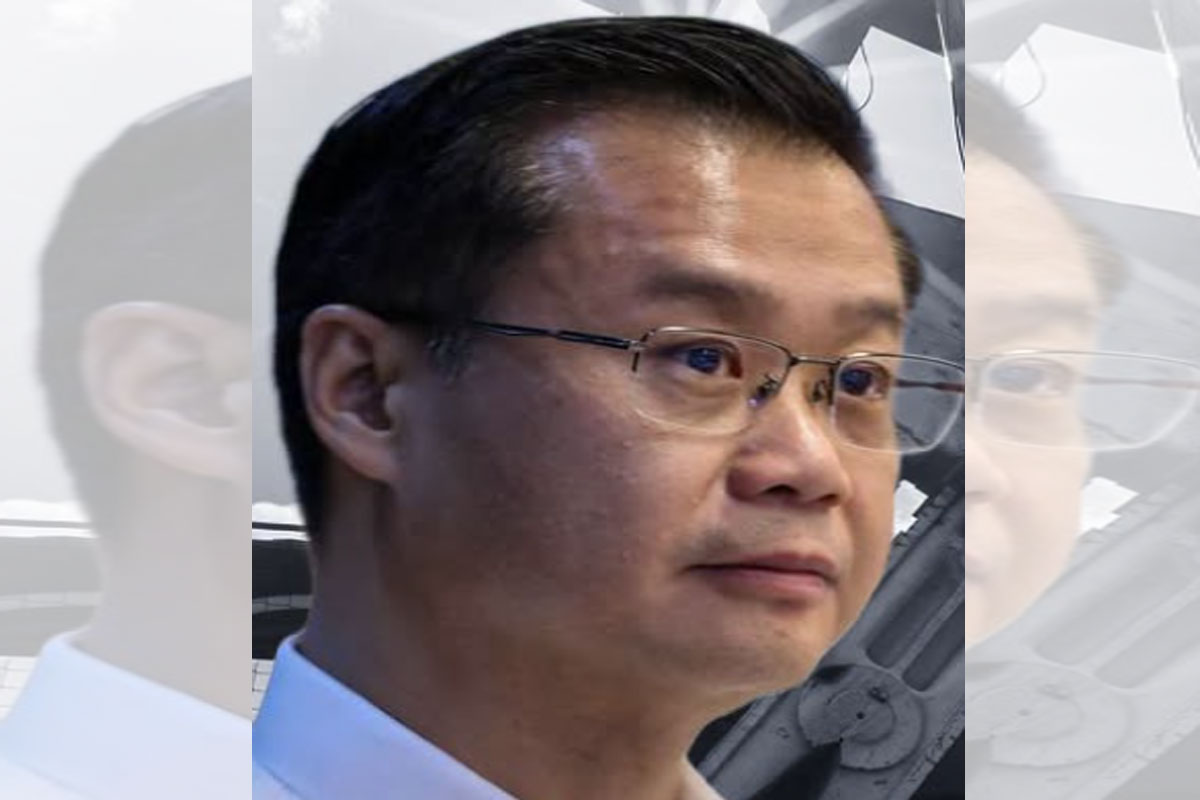
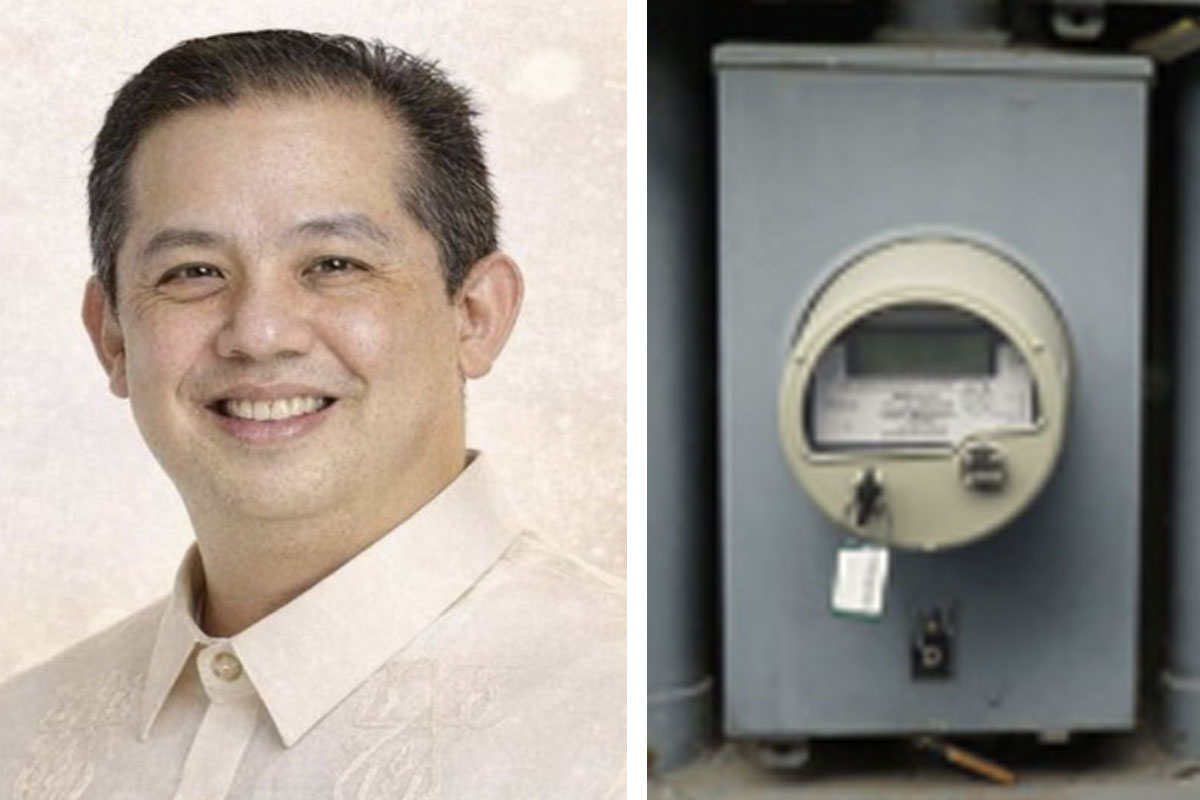 Leyte Rep. Ferdinand Martin G. Romualdez
Mga mambabatas ng Lakas-CMD isinusulong 50% discount sa kuryente para sa minimum wage earners
NAGHAIN ang Lakas–Christian Muslim Democrats (Lakas-CMD), sa pangunguna ng pangulo nitong si Leyte Rep. Ferdinand Martin G. Romualdez, ng panukalang batas na magbibigay ng 50 porsiyentong diskuwento sa bayarin sa kuryente ng mga kuwalipikadong minimum wage earner households para sa kanilang pangunahing tirahan.
Kasama rin sa panukala ang awtomatikong lifeline enrollment para sa mga marginalized at vulnerable consumers.
Ang House Bill (HB) 8191 ay bahagi ng tinatawag na GINHAWA KIT ng partido — isang agenda sa Kuryente–Internet–Trabaho, na layong mabawasan ang pasanin ng working families sa tumataas na household expenses.
Ang panukala ay tugon sa patuloy na pagtaas ng singil sa kuryente na nagpapahirap sa mga pamilya, lalo na sa mga kumikita ng minimum wage na kailangang pagkasiyahin ang kinikita sa gitna ng tumataas na halaga ng mga gastusin.
“Lakas-CMD has resolved to put this electricity relief into legislation. When a minimum wage earner works every day and still comes up short at the end of the month, we have a duty to deliver concrete relief — and one of the most direct ways is to cut power costs at home,” sinabi ni Romualdez.
Sina Deputy Speaker David “Jay-Jay” Suarez ng Quezon at Deputy Speaker Jay Khonghun ng Zambales ang personal na nag-file ng HB 8191 para sa Lakas-CMD.
Sa bisa ng panukalang “Ginhawa sa Kuryente Act,” sinabi ni Suarez na ang 50 porsiyentong diskuwento ay “designed for households with at least one minimum wage earner, applied to a single residential service account corresponding to the household’s principal residence, subject to verification, anti-leakage safeguards and periodic revalidation to keep the benefit targeted and credible.”
Saad naman ni Khonghun: “Members of Lakas-CMD stressed that this is the kind of relief families can feel right away because electricity is a basic need tied to health, education, safety and livelihood, and a power bill that keeps climbing forces families to make sacrifices on food, transport, school requirements and medicine.”
Maliban sa diskuwento sa minimum wage earner, sinabi ni Romualdez na pinalalakas din ng panukala ang lifeline rate para sa marginalized end-users, “by requiring distribution utilities to apply the lifeline benefit automatically to qualified households through secure eligibility matching and account tagging, removing the old burden where the less fortunate families often had to navigate paperwork just to get help they already qualified for.”
Para sa kuwalipikadong marginalized end-users na ang buwanang konsumo ay hindi lalampas sa 50 kilowatt-hours (kWh), sinabi ni Deputy Speaker Paolo Ortega V ng La Union na “the measure provides that the lifeline rate will include a 100% discount on applicable electricity charges, with the Energy Regulatory Commission (ERC) setting the detailed parameters, a provision the authors described as a practical protection for households that already live on the edge.”
Ayon naman kay Lanao del Sur Rep. Zia Alonto Adiong, ang chairperson ng House committee on suffrage and electoral reforms, “automatic enrollment matters because many intended beneficiaries fall through the cracks when the system relies on manual, beneficiary-initiated registration, a setup that tends to exclude families in remote areas or those without time, documents or access to utility offices.”
Inilarawan ng Lakas-CMD ang panukala na “a core component of the party’s GINHAWA KIT legislative package, which focuses on easing the cost of living through measures addressing electricity costs, internet access, and employment opportunities,” pahayag ni Deputy Speaker Janette L. Garin ng Iloilo.
Aniya pa ang sa kuryente ang siyang makapagbibigay ng pinakamabilis at agarang ginhawa sa household level.
Ayon sa Lakas-CMD, nakapaloob din sa panukala ang mga mekanismong magbibigay ng patas na pagtrato sa mga nangungupahan, gumagamit ng shared connections o mga pamilyang ang account ng serbisyo ay hindi nakapangalan sa kanila.
Inaatasan ang ERC na gumawa ng mga patakarang magtitiyak na walang maiiwan at may malinaw na proseso para sa reklamo at pagwawasto.
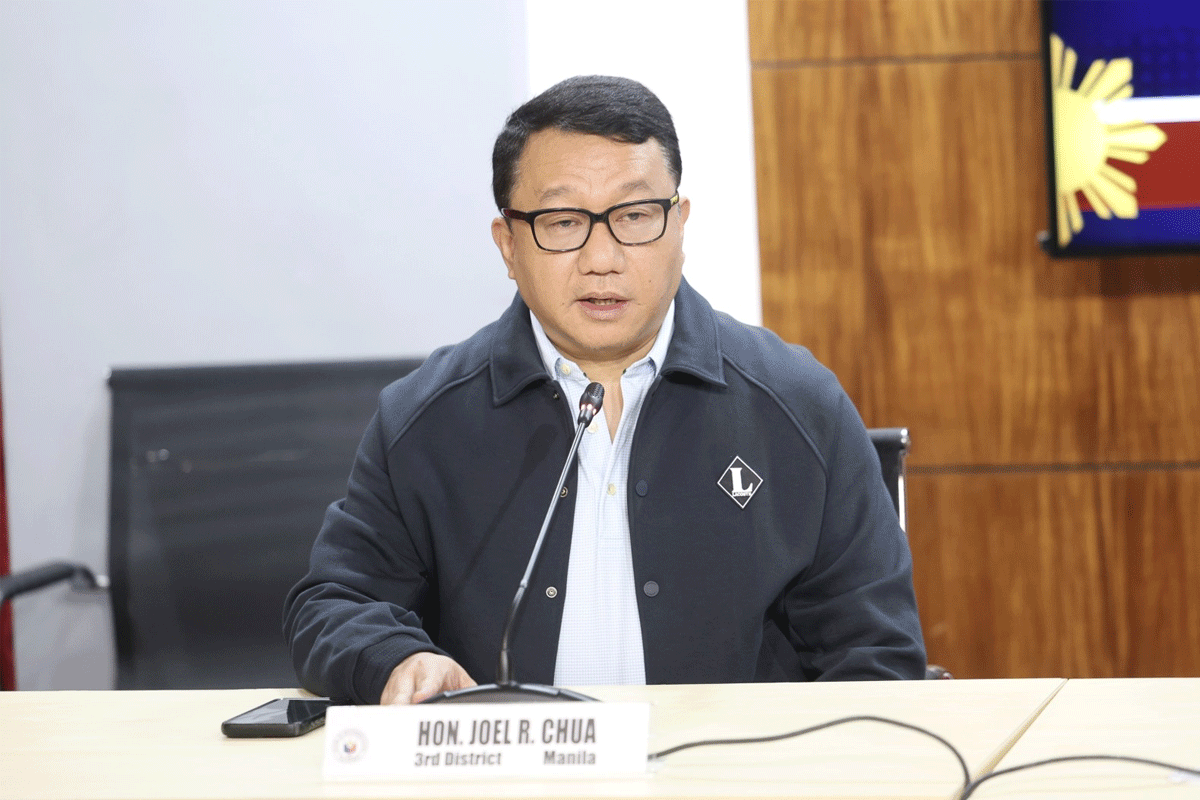
And mga co-author ng panukala ay sina: Reps. Jose Manuel Alba, Jose II “Joboy” Aquino, Munir Arbison, Ma. Rachel Arenas, Dean Asistio, Maria Vanessa Aumentado, Yasser Alonto Balindong, Julienne “Jam” Baronda, John Tracy Cagas, Antonino Calixto, Jane Castro, Joel Chua, Dale Corvera, Agay Cruz, Edwin Cruzado, Janice Degamo, Sittie Aminah Dimaporo, Ernesto Dionisio Jr., Gerardo “Gerryboy” Espina Jr., Gerald Clyod Alexis Galang, Edsel Galeos, Dante Garcia, Janette Garin, Alyssa Michaela “Mica” Gonzales, Kathy Gorriceta, Wilton “Tonton” Kho, Ai Labadlabad, Daphne Lagon, Joseph “Jojo” Lara, Gloria Macapagal-Arroyo, Bai Dimple Mastura, Lalo Matugas, Eric Olivarez, Francisco Paolo Ortega, Emmarie “Lolypop” Ouano-Dizon, Arnan Panaligan, Rosemarie Panotes, Emerson Pascual, Salvador Pleyto, Marlyn Primicias-Agabas, Eduardo Rama, Tony Roman, Jurdin Jesus Romualdo, Ma. Isabel “Maisa” Sagarbarria, Ruth Sakaluran, Adrian Salceda, Reynaldo Salvacion, Ma. Alana Samantha Santos, Steve Chiongbian Solon, Lordan Suan, Joseph Tan, Irwin Tieng, Dibu Tuan, Binky Tupas, Kristine Alexie Tutor, De Carlo “Oyo” Uy, Roberto “Pinpin” Uy Jr., Baby Aline Vargas-Alfonso, Patrick Michael Vargas, Christopherson Yap, Eric Go Yap, Joseph Kim Yu, Emilio Bernardino Yulo, JB Bernos, Nelson Dayanghirang Jr. at Jonathan Keith Flores.
Upang maiwasan ang pang-aabuso, naglalaman ang panukala ng ilang safeguards tulad ng one-household, one-account rule; limitasyon sa pangunahing tirahan lamang; at mga pamantayan sa beripikasyon na simple pero kayang i-audit.
Nakasaad din sa panukala ang time-bound eligibility na mayroong revalidation at mga parusa para sa pandaraya o misrepresentation.
Nagpaplano rin ang panukala ng isang inter‑agency monitoring and oversight committee na pamumunuan ng Department of Social Welfare and Development (DSWD), kasama ang ERC at Department of Energy (DOE) bilang co-chair.
Imo-monitor ng komite ang implementasyon, tututukan nito ang eligibility matching rates, titingnan ang exclusion errors at leakage risks, at sisiguraduhin ang compliance ng service providers, habang tinitiyak na nasusunod ang Data Privacy Act sa paghawak ng impormasyon.