



Calendar

DE LIMA SEEKS PROBE INTO FPIC PROCESS, NEW GUIDELINES FOR IPs CONSENT
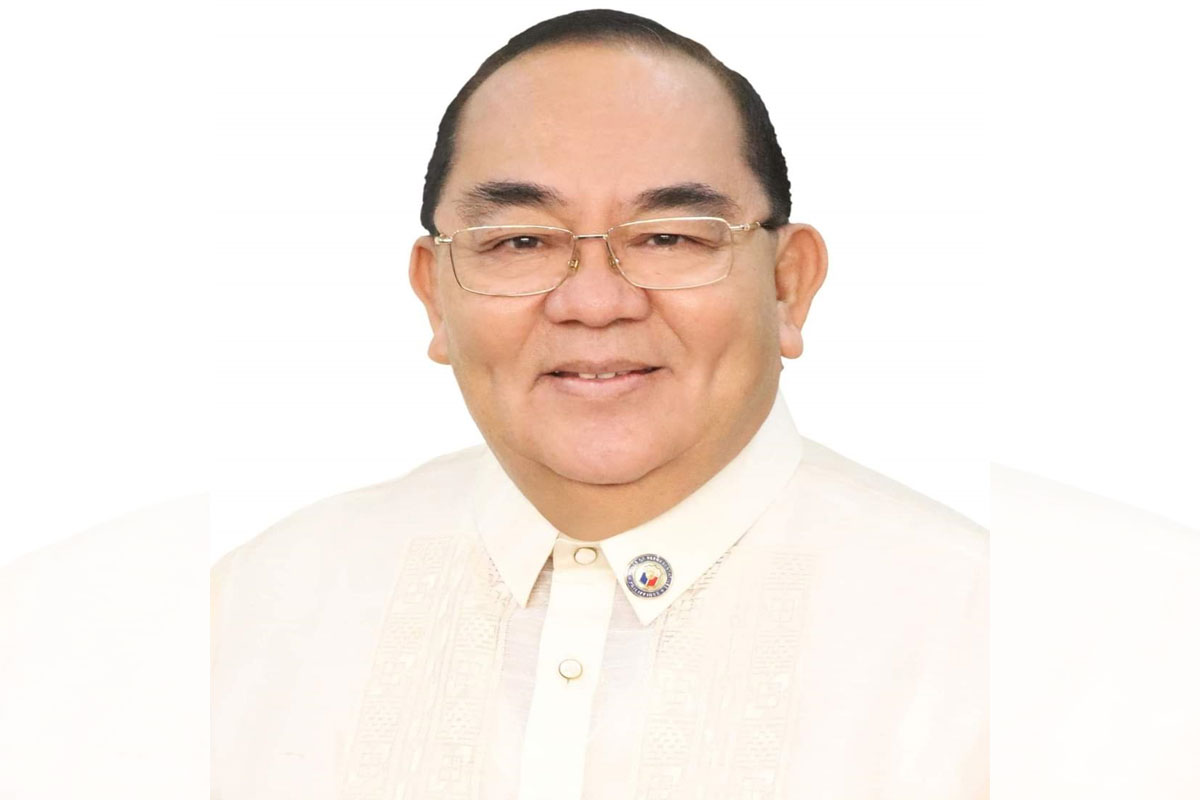
HOUSE Senior Deputy Minority Leader and Mamamayang Liberal (ML) Partylist Rep. Leila de Lima has filed a measure to protect the rights of Indigenous Cultural Communities/Indigenous Peoples (ICCs/IPs) and ensure their genuine participation in decisions affecting their ancestral domains.
In filing House Resolution No. 1345, De Lima seeks to investigate reported irregularities in the implementation of the Free, Prior and Informed Consent (FPIC) process, as well as the 2026 FPIC guidelines and procedures approved by the National Commission on Indigenous Peoples (NCIP), which will replace the existing 2012 FPIC Guidelines.
“Chronic issues have been raised regarding the implementation of the FPIC process, including allegations of manipulated or token consultations, forged signatures, coercion, militarization, misinformation, and projects proceeding despite opposition from affected Indigenous communities,” De Lima said.
“There is a compelling need to assess the implementation of FPIC, identify gaps in existing laws and policies, and formulate legislative measures to ensure that the right to FPIC remains a genuine expression of the self-determination of ICCs/IPs,” she added.
Recently, Indigenous Peoples’ organizations, civil society groups, legal advocates, and international human rights organizations have raised concerns that the reportedly new guidelines may weaken existing safeguards by shortening timelines for community consultations and consensus-building, limiting meaningful participation, and disregarding Indigenous communities’ customary decision-making processes.
The Bicolana lawmaker identified three fundamental points that must be addressed before the reported 2026 FPIC Guidelines and Procedures are promulgated and take effect. These include:
– The specific defects, gaps, or patterns of abuse in the implementation of the 2012 FPIC Guidelines necessitated the revision;
– The rationale, evidence, and consultation process the NCIP relied upon in crafting the proposed changes; and
– Whether and how the approved 2026 Guidelines address and remedy the defects identified, or whether they instead introduce new vulnerabilities that further imperil the right of ICCs/IPs to genuine FPIC.
Reports indicate that FPIC violations continue to occur in mining, infrastructure, renewable energy and other development projects within or affecting ancestral domains, including the recent issues concerning the Pax Silica initiative in Tarlac, where Indigenous communities lament their exclusion from consultations and the disregard of their collective decisions.
A staunch human rights and social justice advocate, De Lima underscored that recognizing and respecting the rights of IPs means upholding applicable domestic laws and international standards, including the United Nations Declaration on the Rights of Indigenous Peoples (UNDRIP).
Republic Act No. 8371 or the “Indigenous Peoples’ Rights Act (IPRA) of 1997” recognizes ICCs/IPs rights over their ancestral domains, and requires FPIC for projects or undertakings affecting their lands and resources.
“It is imperative that the FPIC process remain just, transparent, participatory, and fully compliant with the guarantees provided under IPRA and international human rights standards. Itinakda ang prosesong ito para protektahan ang ating mga katutubo, hindi para sila ay madaliin, pwersahin, linlangin o i-etsapuwera,” De Lima stressed.
“Progress will never be worth achieving if it will be at the expense of our Indigenous communities. Walang saysay ang anumang pag-unlad kung katumbas nito ay paglapastangan sa kanilang mga karapatan at pagbura sa kanilang kultura at pagkakilanlan,” she added.